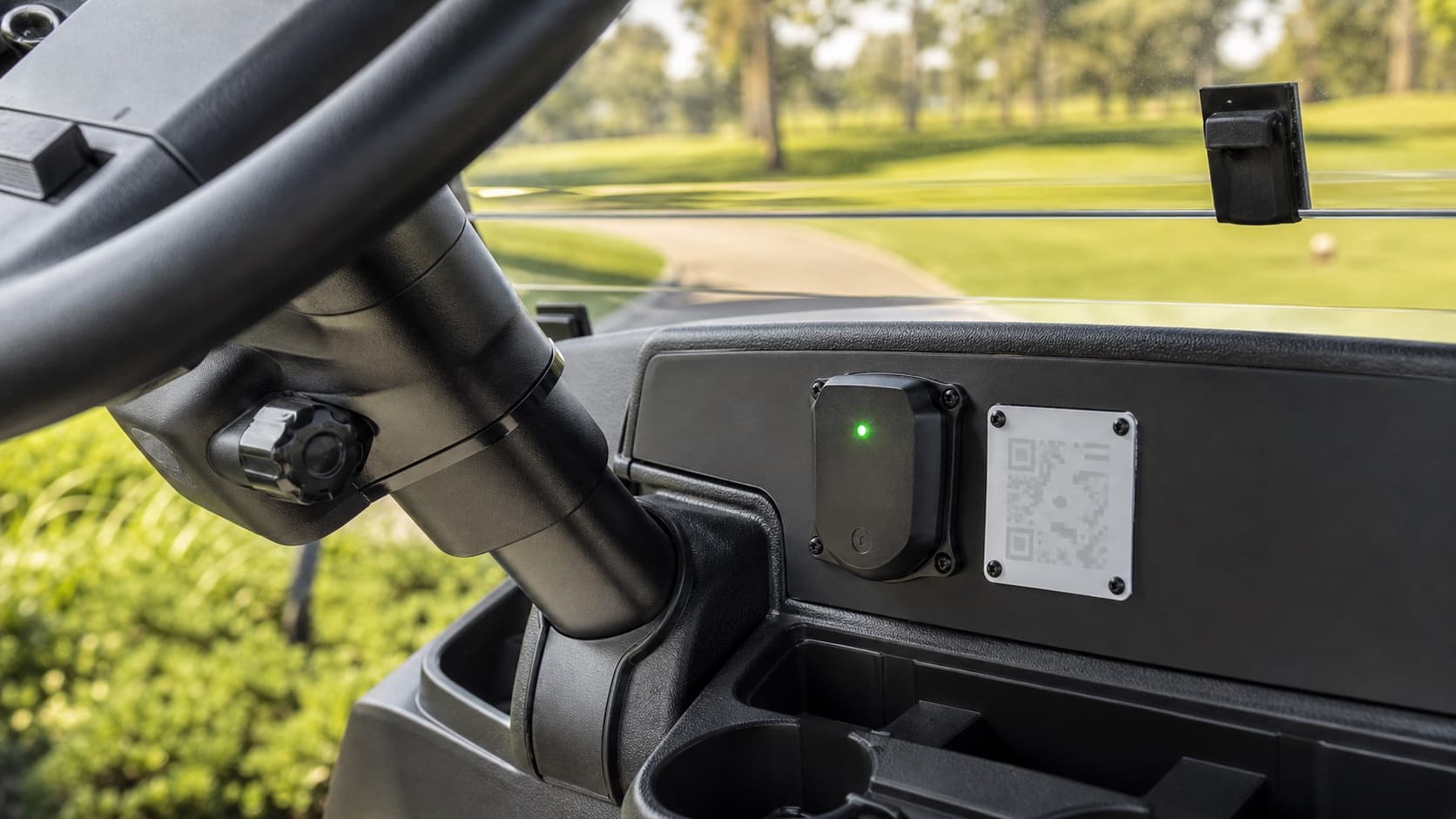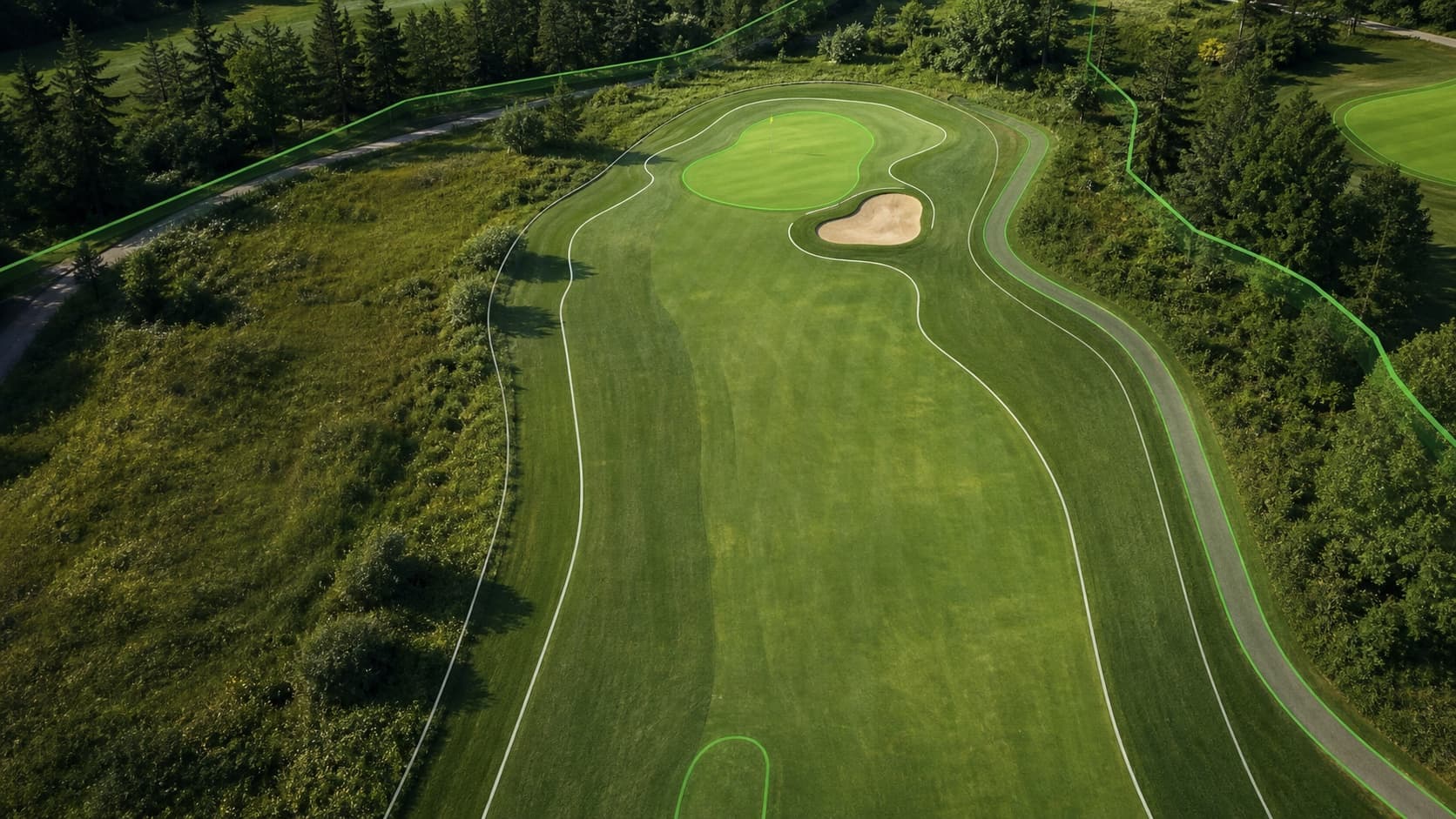

The cart barn has two jobs before the first tee gets busy: make carts available and make sure those carts are the right carts to send out.
Charging status, return timing, access status, and rental status are usually treated as separate details. Watchdog is strongest when those details become one cart-level operating record.
Morning pressure is a data problem
High round volume creates compressed windows where small workflow issues become visible. If a cart is not charged, not returned, not cleaned, or not authorized, staff needs to know before the player is waiting.
GCSAA's rounds-played distribution shows why this matters. Many responding courses operate at volumes where readiness issues repeat often enough to become a real cost.
What the readiness record should show
Operators do not need a complex report before sunrise. They need a clear status model: ready, charging, staged, unlocked, out, returned, exception.
The moment a cart becomes rentable should be visible. The moment it is unlocked should be tied to payment. The moment it returns should close the loop.
- Charged and staged carts ready for the first wave.
- Carts withheld from rental because of maintenance or charging status.
- Unlocked carts tied to a paid access event.
- Returned carts closed out before they are assigned again.
- Exceptions visible before the next busy window.
Turnaround improves when status is visible
A cart can be physically present and still not be ready. A cart can be paid for and still not be the right cart to release. That is why access, payment, and readiness need to sit together.
Watchdog gives the course a cleaner way to see those states without asking staff to reconstruct the barn from memory.